|
| Sunshine Daydreams |
Breathes there a man with soul so dead”….that his heart doesn’t leap up at the thought of new roses for the year? This gardener already has about 50 roses that live on grey water, unsprayed for the most part, and when sprayed it's either with milk, for black spot, or pepper spray for bugs.( Having established the politically correct organic credentials for rose growing), let's see a few.
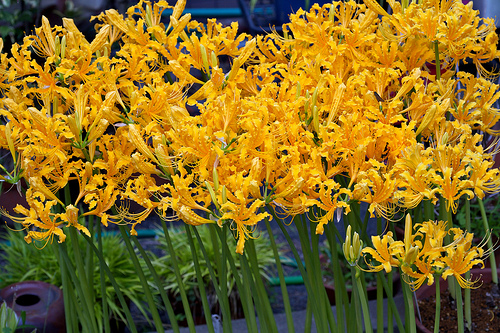
Sunshine Daydreams is a grandiflora described as “yellow to cream”. Not for a pot on the patio but give it some room and it will be a rival to Abbé de Cluny. And, best of all Sunshine Dreams managed to win AARS under no spray conditions. According to the breeder it is almost continuously in bloom. Give it room—5 “by 4’ when mature.

Koko Loko
This one caught my eye lavender and cocoa? Koko Loko. As you can see, it begins one color and ends up the lavenderr you see at the bottom left. It’s a floribunda, moderately fragrant . “Milk chocolate changing to lavenderr” according to Weeks, the grower, and a good cut flower.Sounds a little like Lavenderr Lassie, an old climber, much loved. Tempted to try it.
 |
| Pink Traviata The next rose is a sport of Traviata (a rose this gardener has successfully grown for about five years). Very tough, floriferous and undemanding. Grown by the unrivalled rose-breeding family, the Meillands, in Provence. This rose is one of their series of Romantica© roses that are ideally suited to the Central Coast. Almost any plant from Provence seems to thrive here whether it is artichokes (remember the baby purples grown from seed) or roses. This particular rose, Pink Traviata, is a hybrid tea, fragrant, evoking Violetta, in Verdi’s opera** La Traviata“The Woman who Goes Astray”. Scratch a rose grower and find a Romantic….. For four generations the Meilland family has been raising memorable, much loved and admired roses. Perhaps the most famous is Peace (which flourishes here), and commemorates the end of WWII . This rose was originally named for Mme. A. Meilland.( see www.meilland.com/en )  Luscious This rose is Luscious--magenta and amber, bewitching fragrance, long stems.Hybrid tea. Always a fool for scent, this one sounded like a winner, however, not 100% sure it will do well along the coast, as it was bred in Tyler,Texas. It'll be well suited to the Central Valley, and should like the heat. 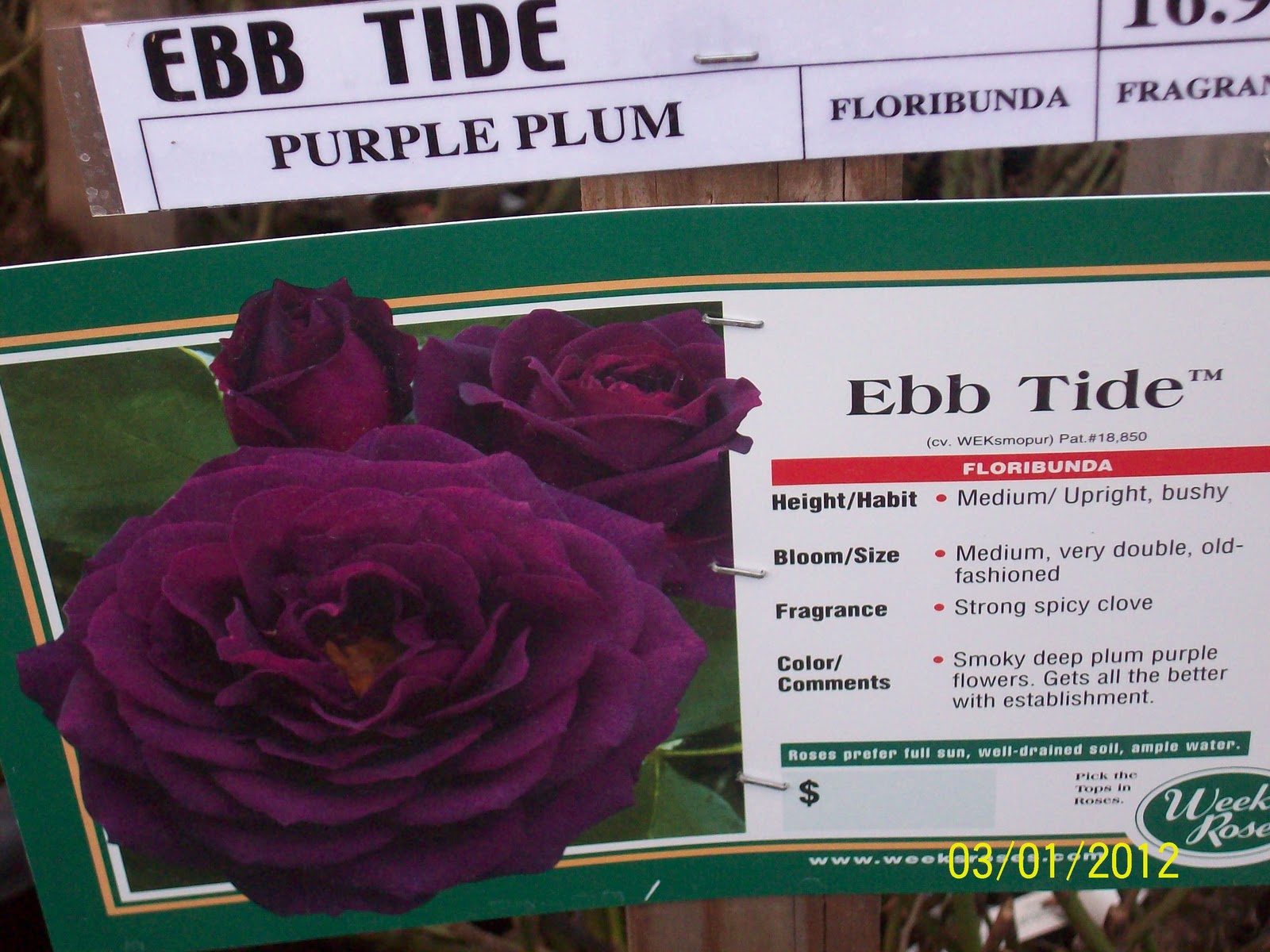 Ebb Tide This rose is newish (2006) but not new this year, however the color is so remarkable and the scent---"strong spicy clove scent" -- so endearing, Ebb Tide made the cut.It is a floribunda. (Next blog will discuss David Austin roses for this year, which will include DA's featured rose for the year Darcy Bussell, which is in the same color range) If you are after this color, compare the two roses and figure out which will work best for you. Ebb Tide was bred in Australia, which indicates it'll probably flourish here. Carruthers (the breeder) patented the rose in 2006, and Weeks, a California grower, has been carrying the rose for several years so it must be better than okay. Now, to try not to get carried away at the nursery....... |
** from Dumas fils play.