


Growing artichoke from seed is reported in garden books
 as a problem---Why ? Beats me. Garden myth! Not actually even very good at growing stuff from seed , but this was easy. Seed came from 3 different organic seed houses (Baker’s, http://rareseeds.com/; Territorial www.territorialseed.com and Island Seed (Goleta,CA). Soaked the seed overnight, planted the first batch in plantable pots inside.
 Everything grew-Violet de Provence, Violette di Chioggi, Violetta Precoce , and Purple of Romagna. Most of them are now about 2 ½ feet tall. Violet de Provence
 is outgrowing all the others. Not too surprising as his native heath resembles our climate more than those of the other varieties. Used soaker hose to keep the ground moist.
Chioggi from seed in ground
Once it warmed up, planted more of the same seeds in the ground, having soaked them overnight (June). These also came up without a problem.
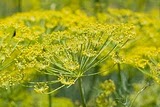
. Never grew fennel before. It turned out to be easy, long bearing, delicious raw or cooked. (http://simplyrecipes.com/recipes/roasted_fennel/. It comes in 3 kinds: Florentine, Bronze and vulgare. Grow the first 2 to eat and vulgare for the swallowtails. Florentine fennel is the celery like vegetable, Bronze an herb used much like dill, (and also is reported as a host for the Anise Swallowtail).
Never grew fennel before. It turned out to be easy, long bearing, delicious raw or cooked. (http://simplyrecipes.com/recipes/roasted_fennel/. It comes in 3 kinds: Florentine, Bronze and vulgare. Grow the first 2 to eat and vulgare for the swallowtails. Florentine fennel is the celery like vegetable, Bronze an herb used much like dill, (and also is reported as a host for the Anise Swallowtail). 
Black swallowtail  on bronze fennel
on bronze fennel He's not a pretty baby but he won't eat your tomatoes. However, what swallowtails like best is fennel vulgare. That's the one you see blooming all over the hills of the Central Coast.
Use Florentine fennel like celery. Easier to grow than celery in this climate, though celery might be a really good winter/spring crop here on the Central Coast.

Long Island celery- easy for them!
This is normally the time to start winter cole crops from seed.
Broccoli —had good luck with Veronica ( 85 days) which seems to use a little less water than conventional broccoli. However, given the weather cycle, won’t plant cole crop seed until late August which still gives the veg 2 hot months to get started.
Ideally, plant some now and some later. Later, you can use starts which means you don’t have to be such a dedicated farmer. Best in this garden was Veronica (also known as Romano).

Glamorous Veronica
Qualified success: the roof garden. Only the real desert plants were happy—barrel cactus , agaves, etc. The sedums fried.
The roof garden depended entirely on rain water. The sedums would have to be watered every 2 weeks to survive in this climate. If it’s from the Sonora Desert —it’ll do fine without water, otherwise no.


w image
Ours came from 6 seeds. We have been harvesting about a 2 lbs. a week from these plants. They get watered once a week unless we have a scorcher (100° or more)
Harvest when they are about the size of a mature French Filet bean.( http://simplyrecipes.com/recipes/french_green_beans_with_butter_and_herbs/) Or let them mature a little into lima bean size, then steam them, serve with butter. Or let them dry and give every child you know Magic Beans
  for Christmas.

w image
Coming up next: Vermiculture Revisted
Broccoli
—had good luck with Veronica ( 85 days) which seems to use a little less water than conventional broccoli. However, given the weather cycle, won’t plant cole crop seed until late August which still gives the veg 2 hot months to get started.Ideally, plant some now and some later. Later, you can use starts which means you don’t have to be such a dedicated farmer. Best in this garden was Veronica (also known as Romano).
Glamorous Veronica
Qualified success: the roof garden. Only the real desert plants were happy—barrel cactus
, agaves, etc. The sedums fried.The roof garden depended entirely on rain water. The sedums would have to be watered every 2 weeks to survive in this climate. If it’s from the Sonora Desert
—it’ll do fine without water, otherwise no.
Unqualified success: new terraces planted with dwarf citrus using grey water.
Scarlet Runner Beans: w image
Ours came from 6 seeds. We have been harvesting about a 2 lbs. a week from these plants. They get watered once a week unless we have a scorcher (100° or more)
Harvest when they are about the size of a mature French Filet bean.( http://simplyrecipes.com/recipes/french_green_beans_with_butter_and_herbs/) Or let them mature a little into lima bean
size, then steam them, serve with butter. Or let them dry and give every child you know Magic Beans for Christmas.
w image
Coming up next: Vermiculture
Revisted


